

Retail Snapshot Q3 – 2026
Thursday 9th July 2026
Welcome to our latest Retail Snapshot
A summary key legal and regulatory developments impacting affecting retail businesses in Q3 2026.
What’s happening in Q3:
- The Financial Conduct Authority has started regulating Buy Now Pay Later from 15 July;
- New DMCCA rules on subscription contracts are delayed to Spring 2027;
- Ban on upwards-only rent reviews on the horizon;
- The Landlord and Tenant Act 1954 consultation ends in September; and
- Access our Employment Rights Act briefing for retail.
Scroll down for more detail…

Buy Now Pay Later Regulation
The Financial Conduct Authority (FCA) will start regulating Buy Now Pay Later (BNPL) on 15 July.
The BNPL regulations intend to:
- ensure that Deferred Payment Credit (DPC) lenders provide information to consumers to enable them to make effective and informed decisions;
- ensure DPC lenders lend responsibly and affordably;
- ensure that DPC lenders support customers who are facing financial difficulty;
- reduce the risk of harm to consumers through DPC; and
- allow the FCA to supervise DPC lenders effectively.
Subscription contracts
New rules on subscription contracts are to be introduced under the DMCCA with the aim of tightening the rules to provide consumers with further protections from being trapped in subscriptions.
This was due to be in Autumn but has now been delayed to Spring 2027.

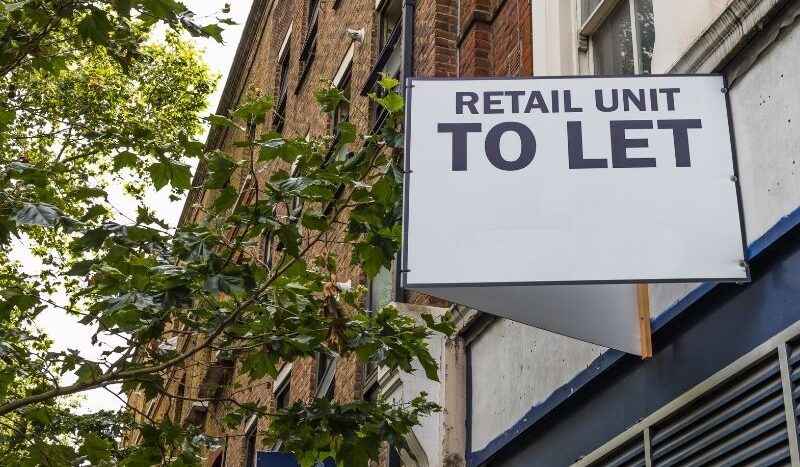
Proposed ban on upwards-only rent reviews
The proposed ban on upwards-only rent reviews in the English Devolution and Community Empowerment Act 2026 received Royal Assent on 29 April 2026, but the ban is not yet in force and a commencement date is still awaited.
Once the ban takes effect, lease terms that only allow rent to increase may no longer be enforceable where the new rent is not clearly fixed from the outset. Rent could therefore go down as well as up.
When agreeing new leases, renewals or lease changes, businesses should review the main commercial terms now and consider asking for rent reviews that can move both ways.
Businesses should take these lease terms into account when planning budgets, reviewing store performance and deciding their future property plans.
Read our recent article here.
The future of the Landlord and Tenant Act 1954
The Law Commission has published its second Consultation Paper on the future of the Landlord and Tenant Act 1954. This paper operates on the assumption that the same general model of protection and contracting out will continue to apply, but highlights various areas for potential reform within this model. These include simplifying the contracting-out procedure, revising the most common grounds of landlord opposition (redevelopment and own occupation), reforming the statutory compensation framework, and considering whether claims should be heard in the First-tier Tribunal or the High Court rather than the County Court.
There will now be a further period of consultation until 16 September 2026, following which the Law Commission will consider the responses and publish a final report.


Employment Rights Act
Retailers are among the employers most exposed to the changes under the new Employment Rights Act 2025 (ERA).
Large, dispersed workforces across multiple sites with high proportions of part-time and casual staff, customer-facing roles, and inconsistent management practices across stores create compliance risks that need a structured approach.
We have highlighted the four key areas under the ERA that your business needs to be aware of and prepare for in our latest briefing, available via the link here.
You can receive these quarterly updates straight to your inbox by signing up here: https://bit.ly/4lbhkzx
If you would like to discuss any of these changes in more detail, please get in touch with one of our retail specialists.